

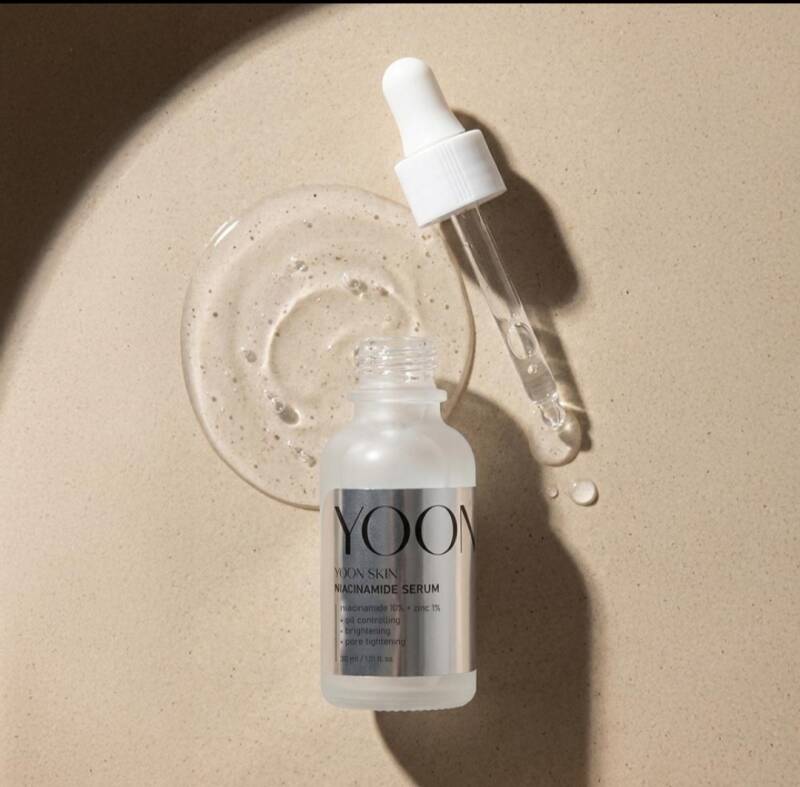
Niacinamide: The Multitasking Ingredient Your Skin Barrier Loves
You’ve probably seen niacinamide listed in everything from serums and moisturizers to acne and brightening products. But what exactly is it - and does your skin really need it?
Niacinamide is a form of vitamin B3, also known as nicotinamide. It has become one of the most popular skincare ingredients because it can support several different skin concerns at the same time - without being an exfoliating acid.
From supporting the skin barrier and improving hydration to helping with uneven tone, excess oil and the appearance of redness, niacinamide is one of those ingredients that can fit into many different skincare routines.
What Does Niacinamide Do?
Supports Your Skin Barrier
This is one of my favourite reasons to use niacinamide.
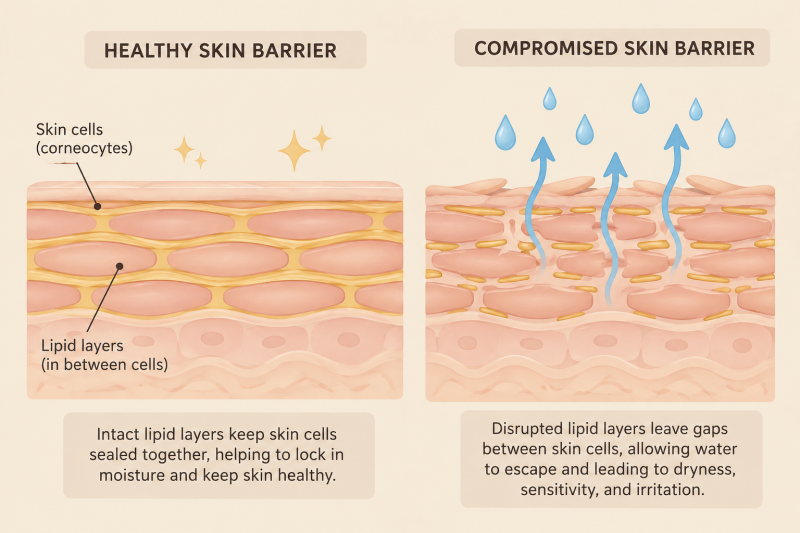
Your skin barrier relies on lipids - including ceramides, cholesterol and fatty acids - to help keep moisture in and irritants out.
Research has shown that topical niacinamide can support the production of ceramides and other important skin-barrier lipids and can help reduce transepidermal water loss (TEWL).
Think of your skin barrier like a brick wall:
Skin cells = bricks
Ceramides + other lipids = mortar
When that "mortar" isn't functioning properly, water escapes more easily and the skin may become dry, tight, flaky or reactive.
Helps Improve Hydration
Niacinamide isn't simply a hydrating ingredient in the same way that a humectant such as hyaluronic acid is.
Instead, it can help the skin hold onto moisture more effectively by supporting barrier function.
This makes it especially interesting for skin that feels dehydrated, tight or compromised. Studies have demonstrated improvements in skin hydration and reduced water loss with topical niacinamide-containing formulations.
Helps With Uneven Skin Tone
Niacinamide can also be useful in routines targeting uneven pigmentation and post-inflammatory marks.
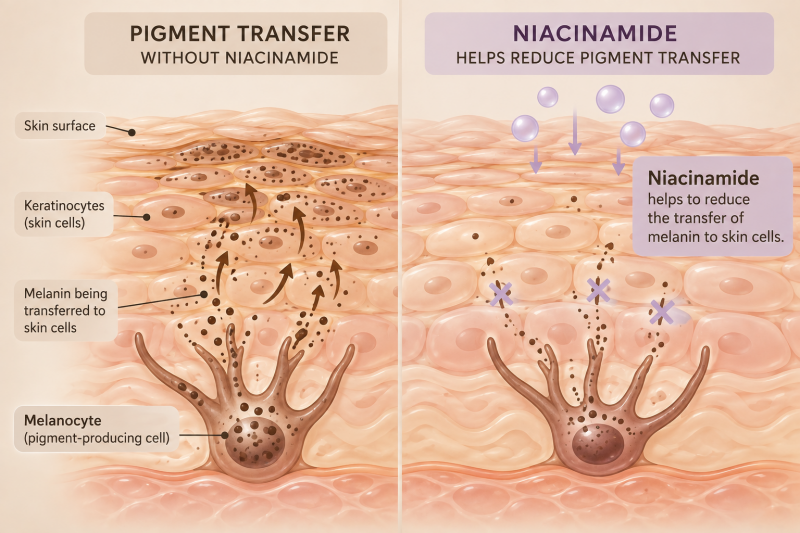
Rather than exfoliating pigment from the surface, research suggests niacinamide can interfere with the transfer of melanosomes - the pigment-containing structures - from melanocytes to surrounding keratinocytes.
This is why you'll often find niacinamide in products designed for:
• Uneven skin tone
• Post-inflammatory hyperpigmentation
• Dullness
• Dark marks left after blemishes
It doesn't replace daily sunscreen, however. When pigmentation is a concern, consistent broad-spectrum sun protection remains essential.
In my practice, I particularly like tinted broad-spectrum SPF 30+ products containing iron oxides for clients prone to melasma and hyperpigmentation.
Why the tint?
Research has shown that visible light - not only UVA and UVB - can contribute to pigmentation, particularly in people who are already prone to melasma or post-inflammatory hyperpigmentation.
The pigments commonly used to create the tint, particularly iron oxides, can provide additional protection against visible light. This means that a well-formulated tinted sunscreen may offer an advantage for pigmentation-prone skin compared with a sunscreen that protects primarily against UV radiation.
An important distinction: it's not simply "mineral vs. chemical" sunscreen. A non-tinted mineral sunscreen containing zinc oxide or titanium dioxide does not necessarily provide the same degree of visible-light protection. When pigmentation is the concern, I look for broad-spectrum UV protection plus iron oxides for additional visible-light protection.
Helps Balance Oily & Blemish-Prone Skin
Niacinamide is also commonly used in products for oily and blemish-prone skin.
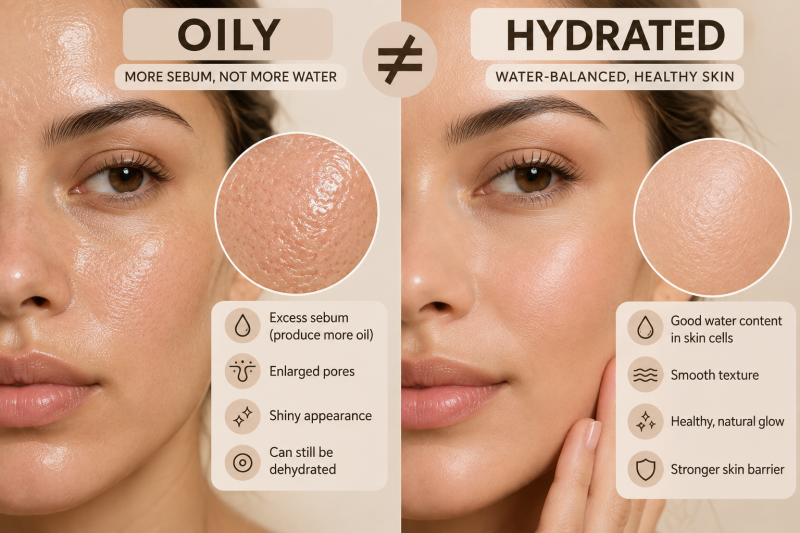
Its combination of sebostatic, anti-inflammatory and barrier-supporting properties makes it particularly useful when the goal isn't simply to "dry out" oily skin.
This is important because oily skin can still be dehydrated or have a compromised barrier.
Aggressively stripping the skin isn't always the answer.
Helps Calm the Appearance of Stressed Skin
Because niacinamide has anti-inflammatory properties and supports the epidermal barrier, it can be a useful ingredient in routines designed for skin that is easily irritated or stressed.
However, "gentle" doesn't mean every concentration or formulation will suit every person.
A product containing several strong actives alongside niacinamide can behave very differently from a simple niacinamide moisturizer.
Who Is Niacinamide For?
One reason niacinamide has become so popular is its versatility.
It may be particularly useful for skin that is:
✓ Dehydrated
✓ Oily or combination
✓ Blemish-prone
✓ Dull
✓ Uneven in tone
✓ Showing post-acne marks
✓ Experiencing barrier weakness
✓ Beginning to show signs of aging
The important part is choosing the right formulation and concentration for your skin, rather than assuming that more niacinamide automatically means better results.
What Percentage Should You Look For?
You'll see niacinamide products ranging from relatively low concentrations to formulas containing 10% or more.
But higher isn't automatically better.
Many of niacinamide's cosmetic benefits have been studied at relatively moderate concentrations, so you don't necessarily need the highest percentage available to get a useful product.
For someone with sensitive or reactive skin, introducing a gentler formulation can often make more sense than immediately reaching for a highly concentrated serum.
Can Niacinamide Be Used With Other Ingredients?
This is another reason I like niacinamide: it's relatively easy to incorporate into a skincare routine.
It is commonly formulated or used in routines alongside ingredients such as:
Vitamin C – antioxidant + brightening support
Retinoids – skin renewal + aging concerns
Hyaluronic acid – hydration
Ceramides – barrier support
AHA/BHA – exfoliation and congestion concerns
Peptides – skin-conditioning and aging-focused routines
That doesn't mean you should layer every active ingredient you own at once.
A good skincare routine isn't about using the greatest number of actives. It's about choosing ingredients that make sense together and for your individual skin.
How Often Can You Use It?
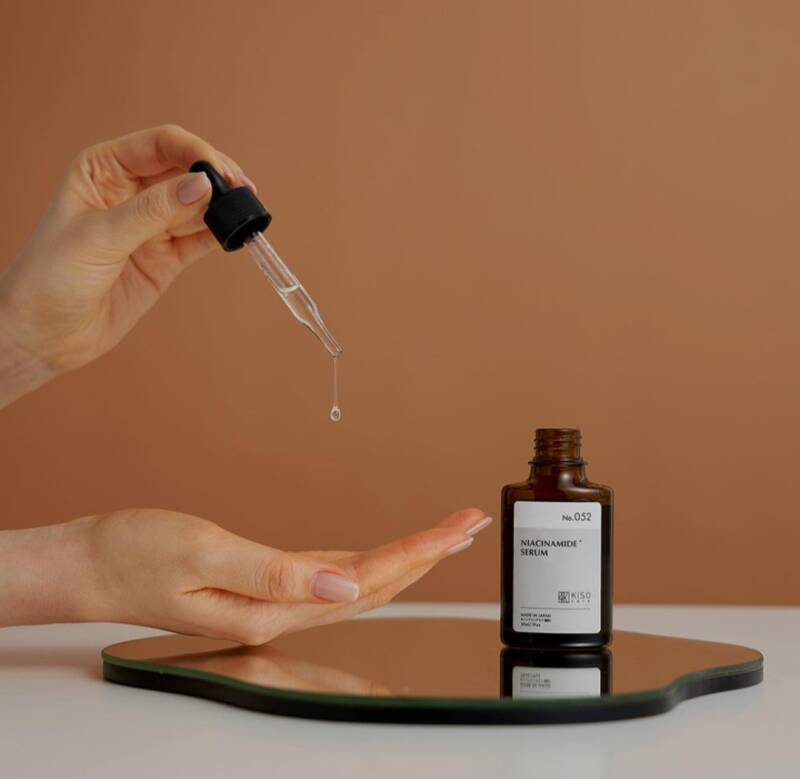
Depending on the formulation and your skin tolerance, niacinamide can commonly be incorporated into a morning and/or evening routine.
For example:
AM: Cleanser → Niacinamide → Moisturizer → SPF
PM: Cleanser → Niacinamide → Moisturizer
If you're already using several active ingredients, your routine may need to be adjusted rather than simply adding another serum.
The A.T. Alternative Wellness Perspective
At A.T. Alternative Wellness, I don't believe that healthy skin comes from constantly adding stronger and stronger active ingredients.
Sometimes the skin needs exfoliation.
Sometimes it needs acne support.
Sometimes it needs pigment correction.
And sometimes it simply needs its barrier supported and restored.
Niacinamide is one of my favourite multitasking ingredients because it can support the skin barrier while addressing several common concerns without relying on aggressive exfoliation.
The goal isn't to follow every skincare trend.
It's to understand what your skin actually needs.
Not sure which product or ingredients are right for your skin?
Skincare isn’t one-size-fits-all. Your skin type, current condition, concerns and the products you’re already using all matter when choosing the right formula.
Send me a message and I’ll help guide you toward products that make sense for your skin and your skincare goals.