

Understanding the anatomy of the skin
The foundation of healthy skin. Discover how your skin protects, repairs, regulates and learn to make informed skincare choices for a healthier you.
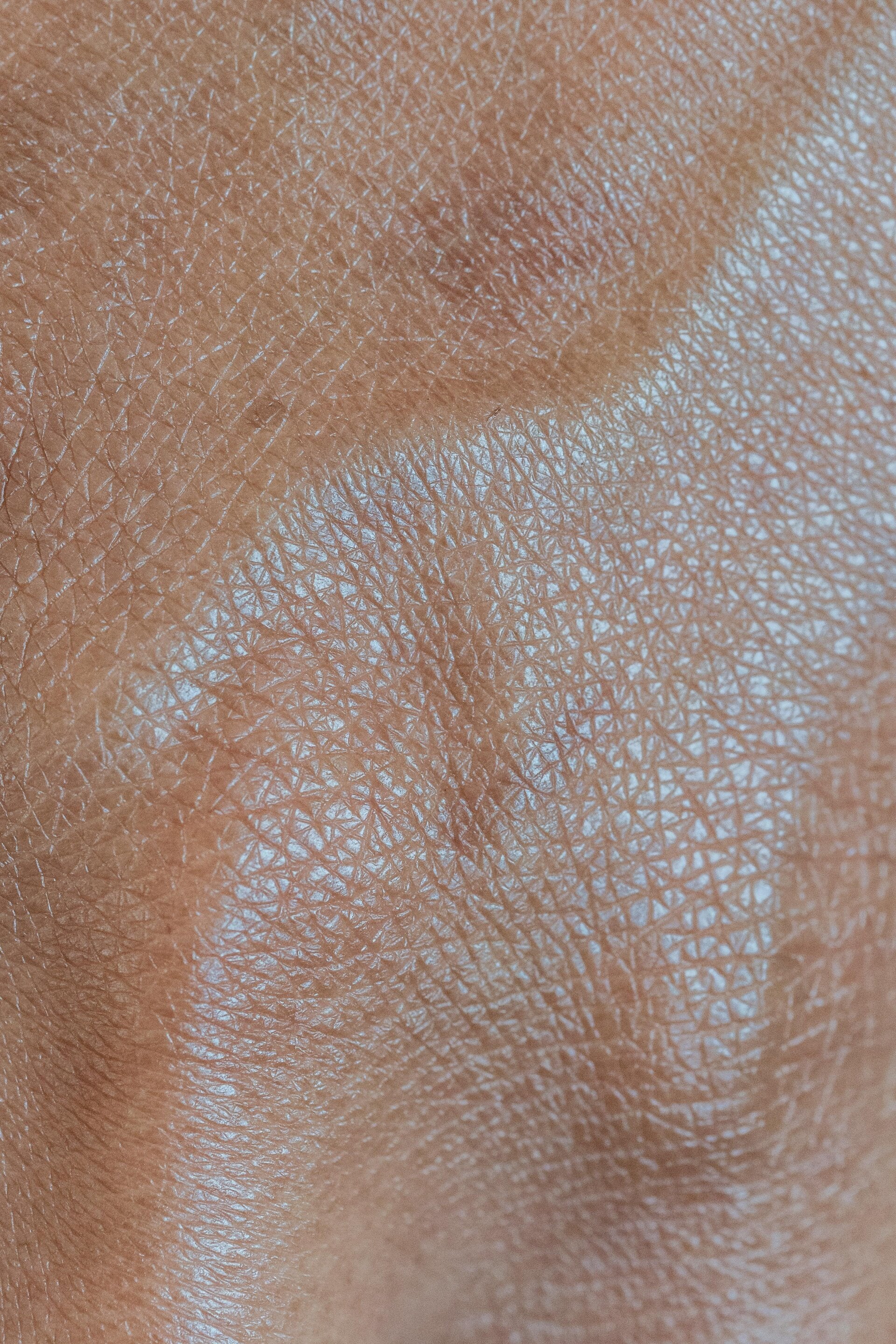
Your body's largest organ
Your skin is far more than what you see in the mirror - it's your body's largest organ and one of its hardest-working. Covering approximately 1.5–2 square metres (16–22 square feet) and making up about 15% of your body weight, your skin works around the clock to protect, repair, regulate and communicate with the rest of your body.
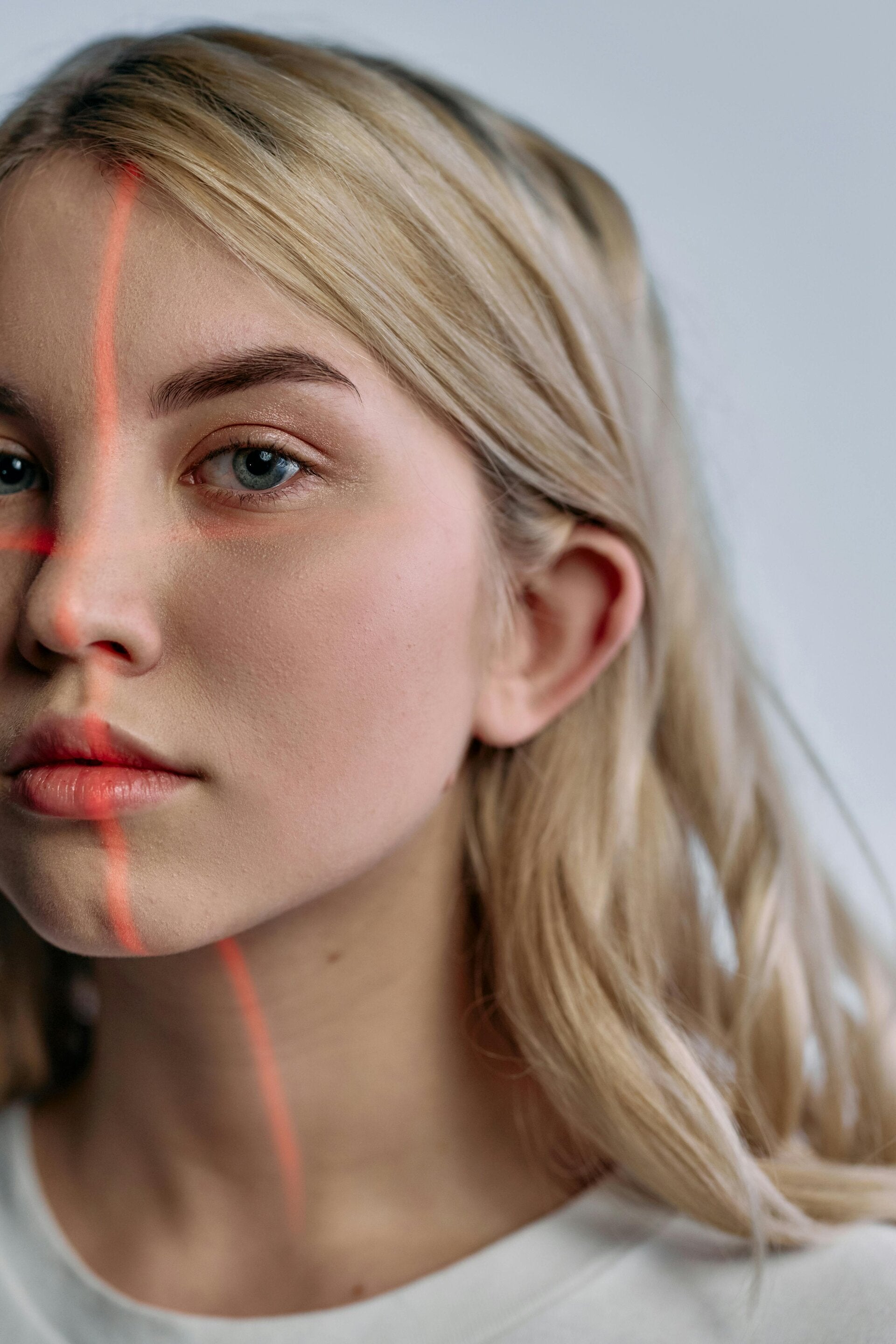
The skin's vital roles
Every second, your skin acts as a protective shield, helps regulate body temperature, supports your immune system, repairs daily damage and continuously creates new skin cells. Understanding how your skin is built is the first step toward understanding how to care for it.
Every skincare product and professional treatment interacts with one or more layers of the skin. The better you understand these layers, the easier it becomes to make informed decisions about your skincare.

Why Is Skin So Important?
Healthy skin does much more than influence your appearance. It plays a vital role in keeping your body healthy every day.
Your skin helps:
Protect against bacteria, viruses, and environmental pollutants.
Prevent moisture loss and maintain hydration.
Defend against harmful UV rays.
Regulate body temperature through sweating and blood circulation.
Produce vitamin D from sunlight.
Allow you to feel touch, pressure, heat, cold, and pain.
Support your immune system.
Repair itself after daily wear and tear.
Without realizing it, your skin performs thousands of essential tasks every day to keep you healthy.

Did You Know?
Your skin renews itself approximately every 28–40 days, although this process slows with age.
You shed millions of skin cells every day, replacing them with new ones.
Your skin is home to billions of beneficial microorganisms that help protect it from harmful bacteria.
The skin on your eyelids is the thinnest on your body, while the soles of your feet have the thickest skin.