

Healthy skin begins with healthy habits
With thousands of skincare products available and new beauty trends appearing almost every day, it's easy to believe that achieving healthy skin requires a complicated routine or expensive products. In reality, healthy skin is built on a foundation of consistent, science-based habits rather than following the latest trends. Your skin is a living organ that works continuously to protect, repair and renew itself. Every day, it faces challenges such as ultraviolet (UV) radiation, pollution, changing weather, bacteria, stress and natural aging. A healthy skincare routine supports your skin's natural functions, helping it remain strong, balanced and resilient. Understanding the science behind healthy skincare habits allows you to care for your skin more effectively and make informed decisions about the products and treatments you choose.
Why skincare matters
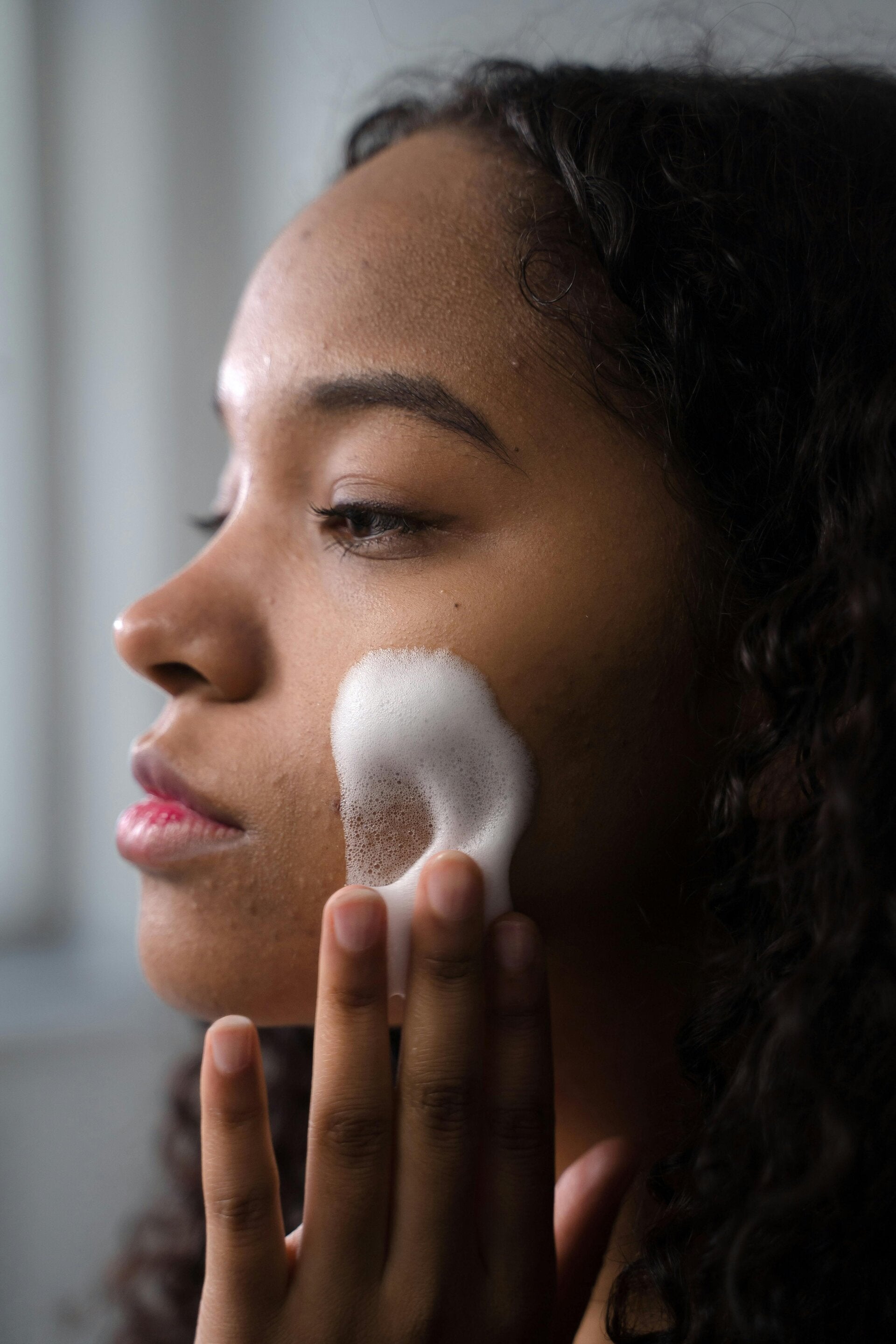
Skincare is about much more than improving appearance. Its primary purpose is to support the skin's natural ability to function properly. A consistent skincare routine helps protect the skin barrier (also known as the acid mantle), maintain hydration, reduce environmental damage, support healthy skin renewal, minimize irritation, promote balanced oil production, improve overall skin health and prepare the skin to respond better to professional treatments. Healthy skin functions more efficiently, heals more effectively and is better able to defend itself against daily stressors. Rather than trying to "fix" your skin, good skincare helps your skin perform the remarkable job it was designed to do.
Hydration and moisturizing
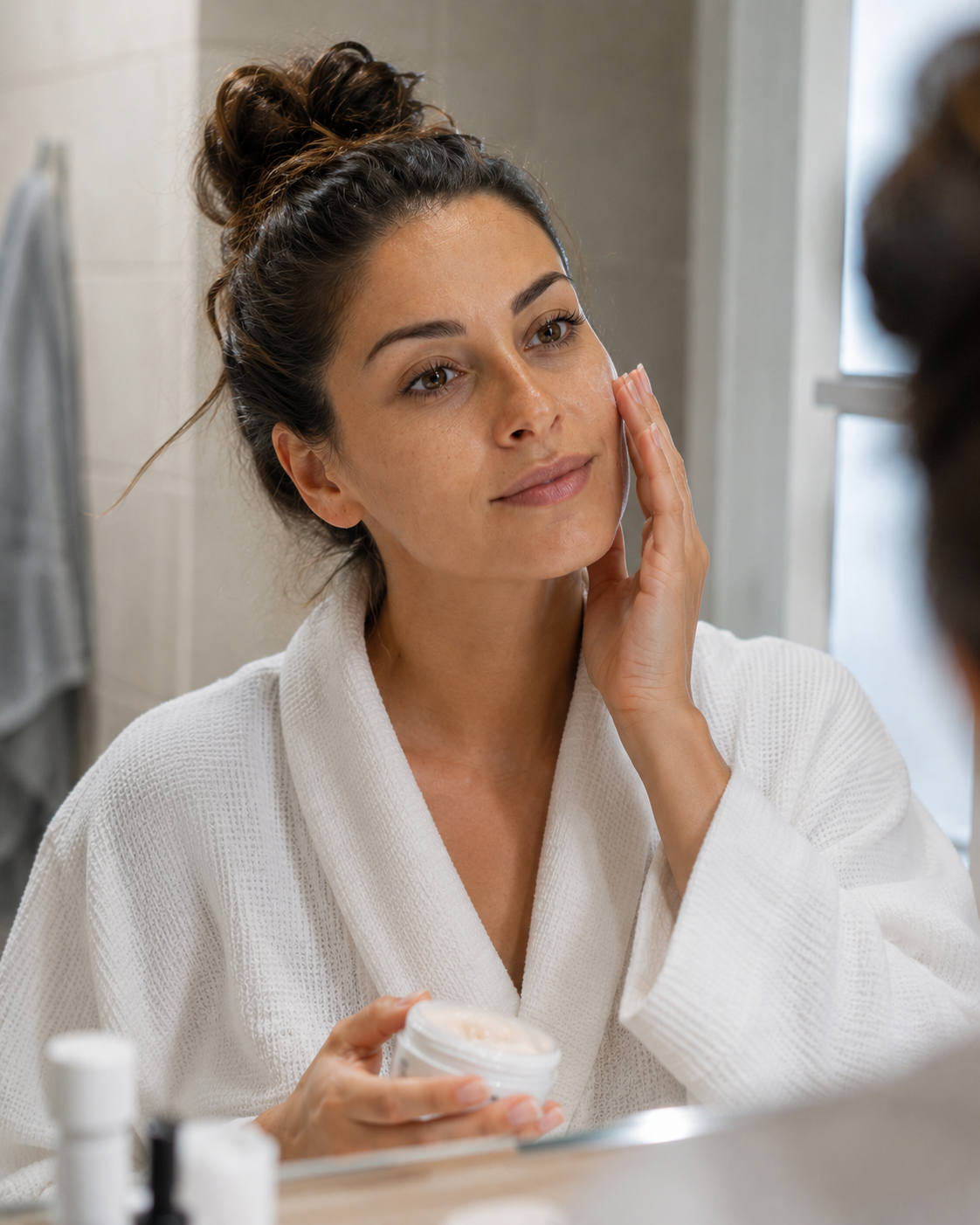
Healthy skin requires both water and protective lipids (natural oils). Hydration provides water within the skin cells, while moisturizers help reduce water loss by reinforcing the skin barrier and sealing in moisture. A good moisturizer helps improve skin comfort, reduce dryness, support barrier repair, increase softness and flexibility, protect against environmental stress and improve overall skin resilience. Even oily and acne-prone skin benefits from proper hydration. In fact, dehydrated skin may produce even more oil as it attempts to compensate for moisture loss.
Using active ingredients wisely
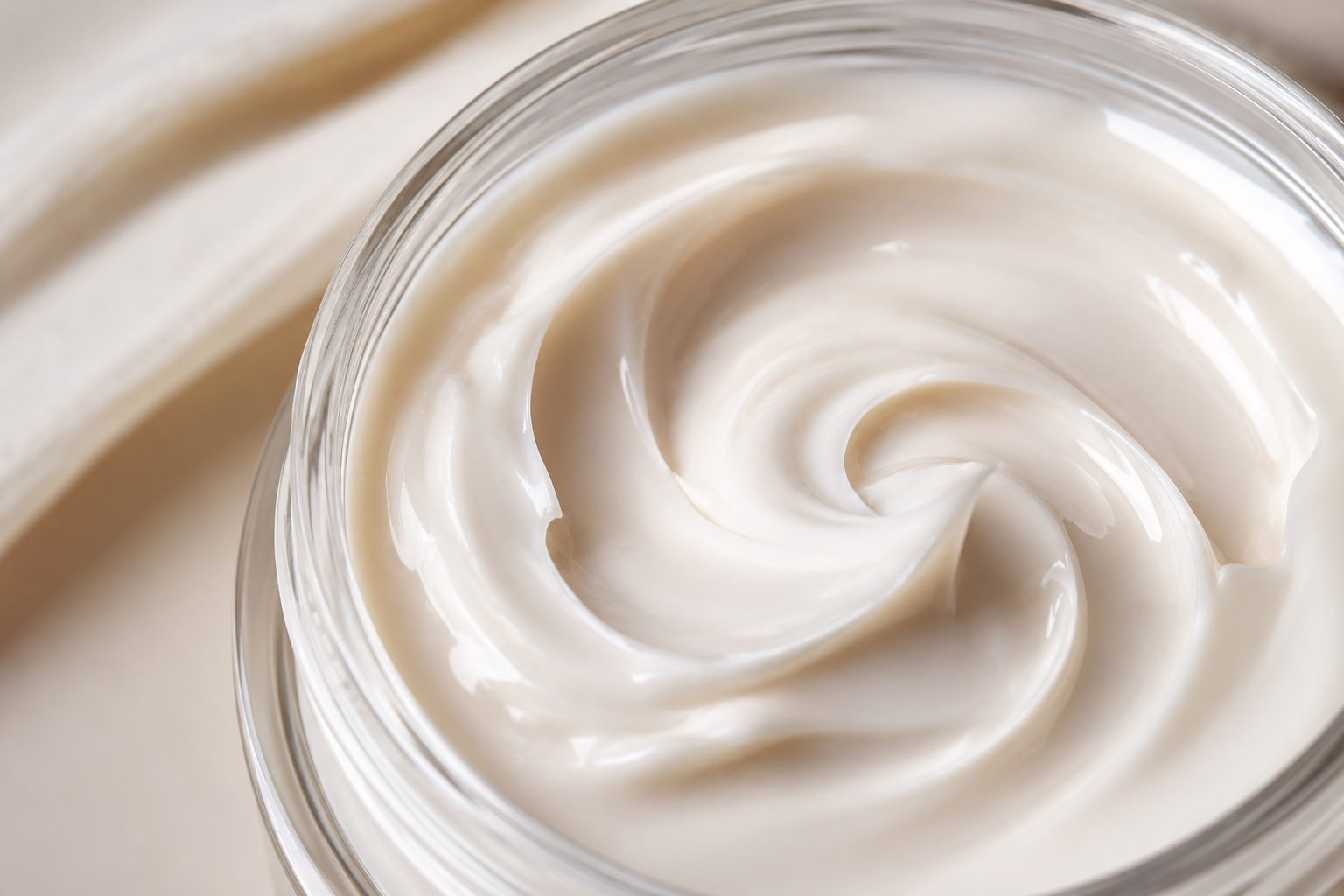
Modern skincare ingredients are designed to address specific skin concerns while supporting healthy skin function. Some of the most well-researched ingredients include: Vitamin C - Helps protect against oxidative stress and supports a brighter complexion. Retinoids - Support healthy skin renewal and collagen production. Niacinamide - Strengthens the skin barrier, improves skin tone, and helps regulate oil production. Hyaluronic Acid - Draws water into the skin to improve hydration. Ceramides - Help restore and strengthen the skin barrier. Salicylic Acid - Helps unclog pores and improve acne-prone skin. Peptides - Support healthy skin structure and function. When introducing active ingredients, start with one product at a time. This allows your skin to adjust and makes it easier to identify any irritation or sensitivity. Using multiple strong ingredients together does not necessarily produce better results. In many cases, a simple, consistent routine is more effective.
Ready to Explore More?
Have you ever wondered whether you're exfoliating too much—or perhaps not using the right exfoliation for your skin?
In the next article, we'll take a closer look at the skin barrier: what damages it, how to recognize the warning signs, and how to help support its recovery.
Coming up next: Exfoliation: Less Can Be More